Ninth Circuit Vacates Injunction Limiting Crowd-Control Force at Portland ICE Facility
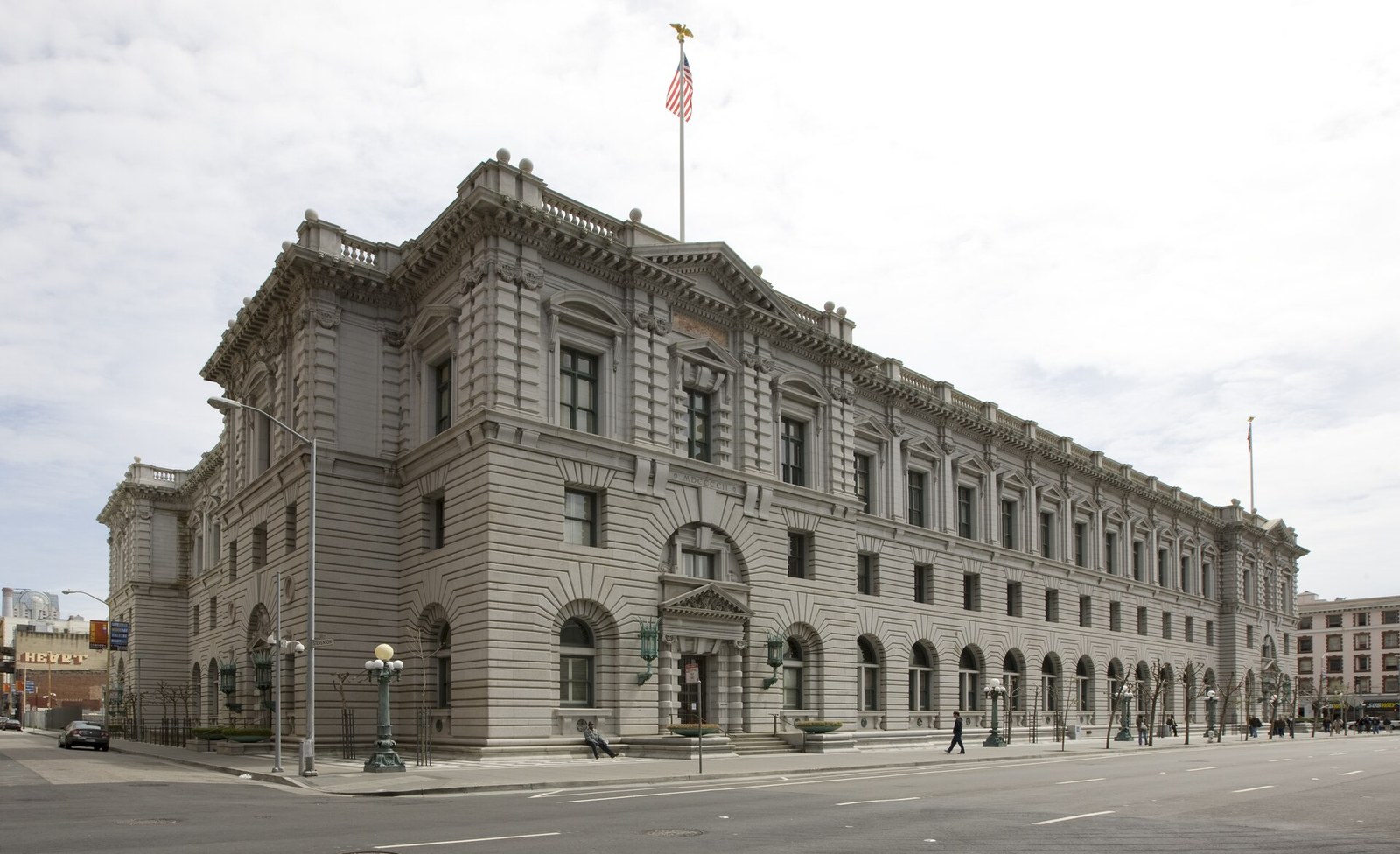
Status: A divided Ninth Circuit panel issued a published opinion Tuesday in Dickinson v. Trump, No. 26-1609, vacating a preliminary injunction and a provisional class certification. The account below is drawn from the opinion and from KATU.
A Ninth Circuit panel on Tuesday vacated a preliminary injunction that had restricted how federal officers could use tear gas, pepper balls, and other non-lethal munitions around the Immigration and Customs Enforcement facility in South Portland, Oregon, and had ordered more conspicuous identifying markings on agents' uniforms. Judge Kenneth K. Lee wrote the majority opinion, joined by Judge Eric C. Tung. Judge Ana de Alba concurred in part and dissented in part.
The case was brought by five plaintiffs—peaceful protesters and independent journalists, including Jack Dickinson, known as the "Portland Chicken"—who said they were exposed to tear gas or pepper balls and alleged that officers targeted them in retaliation for exercising their First Amendment rights. After a three-day evidentiary hearing, U.S. District Judge Michael H. Simon enjoined officers from using chemical or projectile munitions unless "the specific target of such a weapon or device poses an imminent threat of physical harm," added limits on pepper spray, barred firing munitions at the head, neck, or torso except where deadly force would be justified, and directed the parties to confer on unique uniform markings. He also provisionally certified a class of people who "have, desire to, or will nonviolently protest against or report on DHS activities" at the facility. The Ninth Circuit had earlier stayed that injunction pending appeal.
Lee wrote that the First Amendment "shields the people from governmental suppression of their right to protest peacefully and speak freely" but "cannot be a sword to justify vandalism of federal buildings, criminal trespass of government property, or obstruction of law enforcement." The opinion recounts that, between June 2025 and February 2026, at least 150 protests were staged at the facility, some involving thousands of people, and that along with peaceful protest came attacks on officers, blocked driveways, smashed cameras, and thrown rocks, glass, bricks, and fireworks.
The majority held that the plaintiffs had not shown a likelihood of success on their First Amendment retaliation claim. "Under our precedent, law enforcement agents may use nonlethal force to clear crowds and restore order—they need not wait until they face 'an imminent threat of physical harm,'" Lee wrote, citing Puente v. City of Phoenix. Officers may disperse a crowd in the face of "riot, disorder, interference with traffic upon the public streets, or other immediate threat to public safety, peace, or order," the court said. The majority found no unwritten policy, pattern, or practice of First Amendment retaliation. "Rather, the plaintiffs appear to be unfortunate collateral casualties of federal agents' efforts to quell an unruly and sometimes violent crowd," the opinion said. KATU quoted that same "unfortunate collateral casualties" language.
The majority also held the injunction "grossly overbroad and unworkable." It granted relief not only to the five named plaintiffs but to anyone protesting or reporting at the facility, which the court said could not be reconciled with Trump v. CASA, Inc. It "improperly handcuffs federal agents" by barring non-lethal munitions unless they face an imminent threat of physical harm. And the uniform-marking requirement, the court said, is "beyond the court's power." "Courts cannot be the couture of the executive branch," Lee wrote. The remaining injunction factors, the majority said, favored the government because the order impeded officers' ability to protect themselves and the facility.
The panel also vacated the provisional class certification, holding that the class failed Rule 23's commonality requirement and, even if it had not, could not satisfy Rule 23(b)(2)'s indivisible-remedy requirement. "There is little in common between an Antifa provocateur who destroys the security camera at the ICE facility and a peaceful protester who holds a sign several hundred feet away on the public sidewalk," Lee wrote.
de Alba concurred that three provisions were overbroad: the imminent-threat restriction on munitions, the "active resistance" limit on pepper spray, and the uniform-marking order. She otherwise dissented. She would have upheld the ban on firing munitions "at the head, neck, or torso of any person, unless the officer is legally justified in using deadly force against that person," writing that the prohibition "protects essential First Amendment rights" and that the district court did not abuse its discretion in issuing it. She would have found a likelihood of success on the retaliation claim, saying the district court had relied on "an avalanche of circumstantial evidence" that officers were, in many instances, motivated by retaliatory intent, including video she described, as the district court had, as "unambiguous and disturbing." She also would have held that the district court did not abuse its discretion in finding that the proposed class met Rule 23's commonality and indivisibility requirements.
The ruling means that, for now, the vacated limits do not constrain federal officers at the facility, KATU reported. The decision is a published precedent. Plaintiffs may seek rehearing or Supreme Court review; the opinion itself does not address those next steps.
Sources
- Ninth Circuit published opinion, Dickinson v. Trump, No. 26-1609, Nov. 10 cdn.ca9.uscourts.gov
- KATU: federal court strikes down Portland protest injunctions katu.com
See our sourcing & corrections standards.
Spotted an error? Tell us — see our corrections policy.