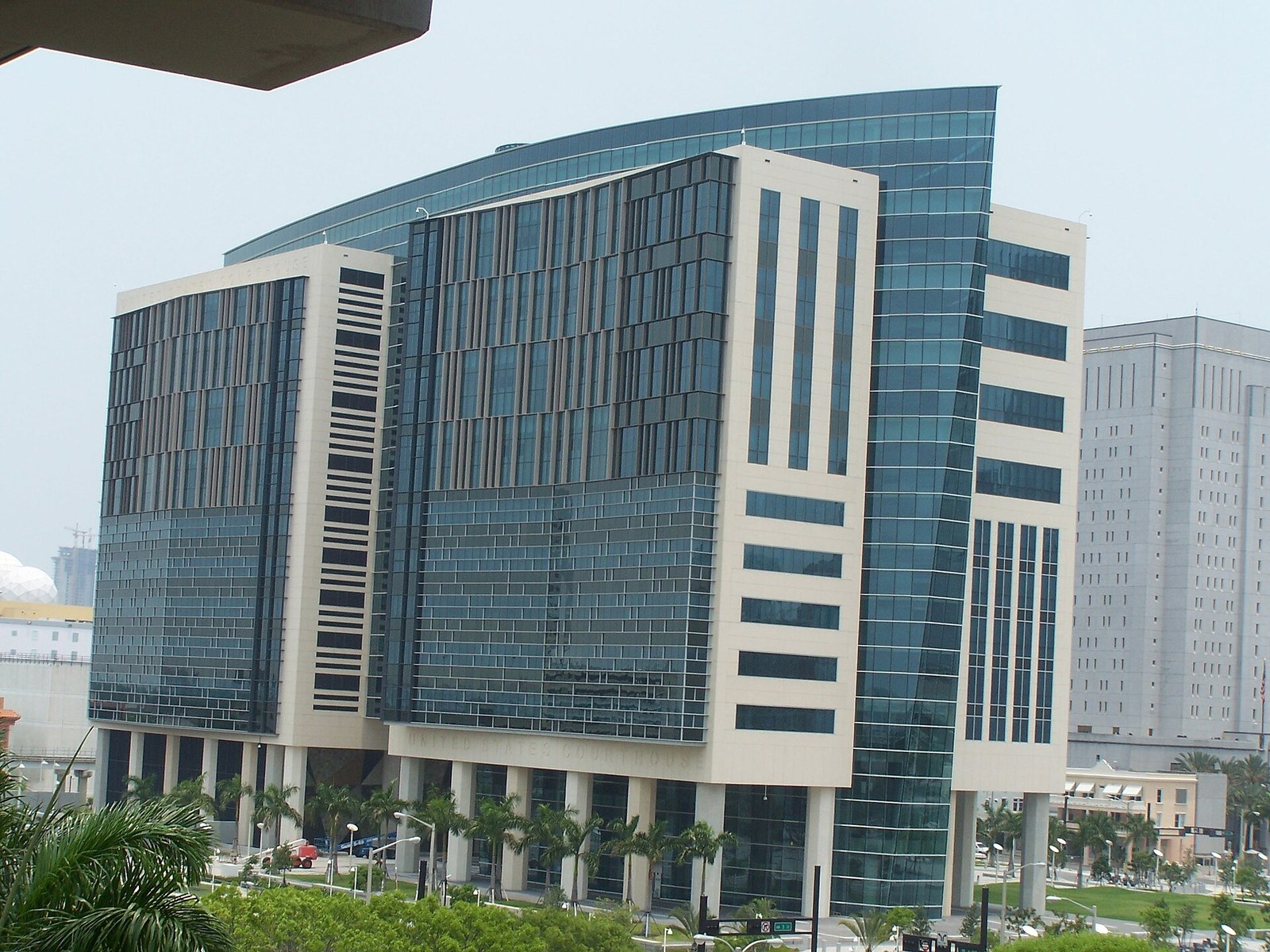
Divided Ninth Circuit Holds SpaceX Can't Force Fired Engineers' Harassment Suit Into Arbitration
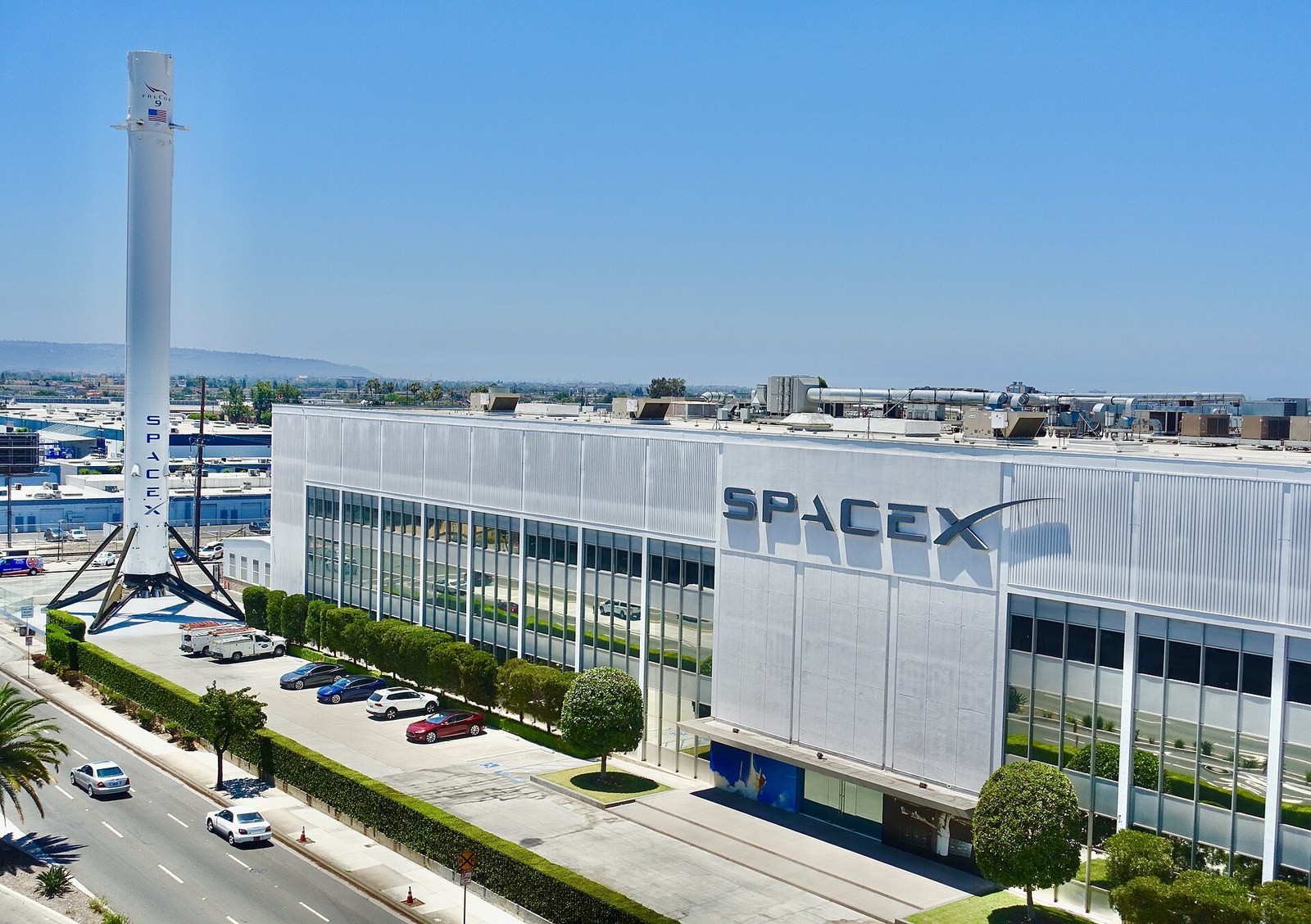
Status: A divided Ninth Circuit panel issued a published opinion Tuesday in Holland-Thielen v. SpaceX, No. 25-4811, affirming a Central District of California order that denied SpaceX's motion to compel arbitration. The decision addresses whether the case may proceed in court. It does not decide whether the engineers' allegations of sexual harassment or unlawful retaliation are true.
The eight plaintiffs—former SpaceX engineers—sued after they were fired in 2022, shortly after circulating an open letter to company management that, as the opinion recounts, voiced concerns about conduct they asserted to be sexual harassment, including posts by SpaceX founder Elon Musk on Twitter, now X. They brought retaliatory-termination claims and other claims under California law. SpaceX removed the case from state court to federal court in Los Angeles and moved to compel arbitration under the Federal Arbitration Act, saying all eight had signed arbitration agreements as part of their employment contracts. U.S. District Judge John A. Kronstadt denied that motion. The Ninth Circuit on Tuesday affirmed.
Judge Michelle T. Friedland wrote the majority opinion, joined by Judge Danielle J. Forrest. Judge Eric C. Tung dissented. The opinion was argued in June in Pasadena and designated for publication.
The majority held that the Ending Forced Arbitration of Sexual Assault and Sexual Harassment Act of 2021, known as the EFAA, exempted the plaintiffs' case from arbitration. The statute defines a "sexual harassment dispute" as "a dispute relating to conduct that is alleged to constitute sexual harassment under applicable Federal, Tribal, or State law." Friedland wrote that the phrase "conduct that is alleged to constitute sexual harassment" means "conduct that is asserted to amount to sexual harassment." Because "allege" requires only an assertion, "which may or may not eventually be proven meritorious," the definition is not limited to conduct that "certainly amounts to sexual harassment." Courts, the majority said, must determine whether the complaint "describes conduct asserted to be a basis for a sexual harassment claim." Congress, the court held, "did not intend to import the federal pleading standard" from Rule 8 of the Federal Rules of Civil Procedure.
"Congress could have easily drafted the EFAA to require courts to send sexual harassment disputes to arbitration only when the complaint 'fails to state a claim upon which relief may be granted' or 'fails to state facts which, if true, would constitute sexual harassment,'" Friedland wrote. "That Congress chose not to adopt those 'readily available and apparent alternative[s]' is strong evidence that Congress did not intend to import the federal pleading standard into § 401(4)."
The majority also held that the plaintiffs had properly invoked the statute. By alleging that SpaceX retaliated against them for opposing conduct they assert amounts to sexual harassment, they "alleg[ed] conduct constituting" a sexual harassment dispute, and their case "relates to" that dispute. Because each plaintiff challenged a termination allegedly in response to accusations about sexual harassment, the EFAA applied to each plaintiff's "entire case," the court said, citing its earlier decision in Ding v. Structure Therapeutics.
SpaceX had argued that the EFAA requires "adequately alleged" sexual harassment—allegations that would survive a motion to dismiss under the federal pleading standard—and that Musk's posts were not severe or pervasive enough to affect the terms or conditions of the plaintiffs' employment. On that view, the company said, the plaintiffs could not "bootstrap" their way out of arbitration by alleging retaliation for opposing that conduct. Alternatively, SpaceX argued that retaliation claims were not "harassment claims" and did not trigger the statute. The majority rejected those arguments. Reuters, in a report carried by Investing.com, said SpaceX has denied the underlying allegations and that spokespeople for the company did not immediately comment on Tuesday's decision. Courthouse News reported the same.
According to the complaint as described in the opinion, the plaintiffs said sexual banter, sexual harassment, and gender discrimination were commonplace at SpaceX and that Musk's posts, which they described as sexually explicit and as demeaning women and LGBTQ persons, "permeated" the workplace. Reuters reported that the 2024 lawsuit said Musk's conduct fostered a "pervasively sexist culture." The letter, Reuters said, called Musk a "distraction and embarrassment" and urged executives to disavow sexually charged comments he had made on social media. The opinion says SpaceX's stated reason for firing four plaintiffs identified as authors, the day after the letter was circulated, was their role in "conceiving, writing, and distributing the Open Letter"; the other four were fired after a human-resources investigation. Those are the plaintiffs' and the company's accounts as recounted by the court. The panel did not find that harassment occurred, or that the firings were unlawful.
Tung, in dissent, said a bare assertion of sexual harassment is not enough to evade arbitration. Courts, he wrote, "are to assess whether plaintiffs have pleaded facts that, if proven true, would constitute sexual harassment under applicable law." "Under the majority's test, a plaintiff can escape an arbitration agreement if his complaint so much as purports to allege a sexual harassment dispute," he wrote. "In other words, the majority accepts a plaintiff's bare legal assertion, no matter how mistaken." He offered a hypothetical of an employee fired after a dispute over cafeteria food who then labels the episode sexual harassment, and he warned that the majority's reading would let a plaintiff "say the magic words ('sexual harassment')" and thereby take an entire case out of arbitration, including claims with no connection to harassment. The majority, he said, would take "a wrecking ball to the federal arbitration-enforcement scheme that Congress enacted." He was unpersuaded that Rule 11 would adequately police frivolous assertions. Because, in his view, the district court applied the wrong standard, Tung would have vacated the denial of SpaceX's motion and remanded for the district court to apply what he described as the correct one. "I respectfully dissent," he wrote.
Sources
- Ninth Circuit published opinion, Holland-Thielen v. SpaceX, No. 25-4811, Nov. 10 cdn.ca9.uscourts.gov
- Reuters, via Investing.com: SpaceX must face sex-bias claims after appeals court rejects arbitration request www.investing.com
- Courthouse News: Ninth Circuit rebuffs SpaceX bid to force arbitration of harassment claims www.courthousenews.com
See our sourcing & corrections standards.
Spotted an error? Tell us — see our corrections policy.