Supreme Court Stays Injunction, Allowing Big Bend Border-Wall Work to Resume
Status: The Supreme Court stayed the injunction on Nov. 9. The stay is not a final decision on the legality of the project. Justice Jackson would have denied the application.
The Supreme Court on Monday stayed a preliminary injunction that had blocked border-barrier construction in the Big Bend sector of the Texas-Mexico border, in an unsigned opinion in Mullin v. Friends of the Ruidosa Church, No. 26A560 (opinion PDF; SCOTUSblog). Justice Ketanji Brown Jackson would have denied the stay and did not write separately.
The Court did not summarily reverse the district court. It stayed the Oct. 2 injunction issued by Judge Kathleen Cardone of the Western District of Texas, pending a timely petition for certiorari. If certiorari is denied, the stay ends; if it is granted, the stay lasts until the Court's judgment is sent down. Construction may resume while the case continues.
What the Court held
Section 102 of the Illegal Immigration Reform and Immigrant Responsibility Act of 1996 authorizes the homeland security secretary to build border barriers and roads in areas of high illegal entry and to waive legal requirements as necessary for expeditious construction. Judicial review of waiver claims is limited: a claim "may only be brought alleging a violation of the Constitution," the statute says.
The challengers argued that the secretary's waivers violated the major-questions doctrine "under the U.S. Constitution." The district court treated that as a constitutional claim and blocked the waivers and related construction. The Supreme Court said the government is "exceedingly likely to prevail" on its argument that the district court lacked jurisdiction. "However it is labeled," the Court wrote, the claim alleges that the secretary exceeded statutory authority, not a constitutional violation. "There is no such thing as a 'constitutional' major-questions claim."
On the equities, the Court cited a CBP official's declaration that the injunction was costing the government "nearly half a million dollars" a day that could not be recouped. It said the injunction impeded the government's "compelling interests" in border security, and that those interests outweigh "any aesthetic, recreational, and environmental harm alleged by respondents." The Court also said Congress, in Section 102(c), struck a balance favoring expeditious construction over the harms the plaintiffs assert.
The challengers' case
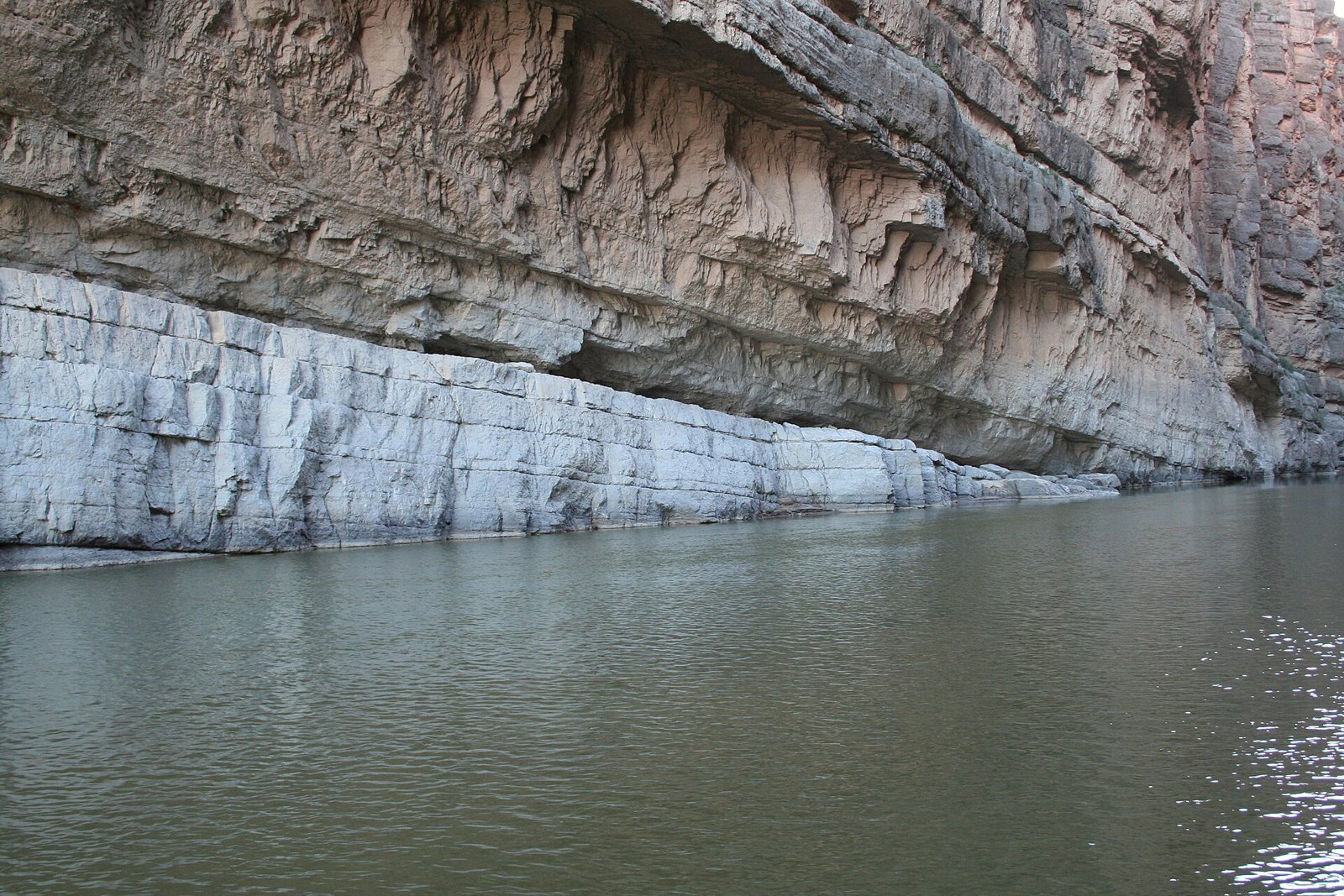
The respondents are an individual river guide, an environmental nonprofit, and a nonprofit dedicated to preserving a historic church in Ruidosa, Texas. They went to court to challenge waivers of environmental and conservation laws for 30-foot barriers and patrol roads in a stretch of border that includes parts of Big Bend National Park.
Judge Cardone, as recounted by SCOTUSblog, concluded that the challengers were likely to succeed because, in her view, the secretary lacked clear congressional authorization for the waivers. She emphasized that although the Big Bend sector comprises more than 25 percent of the U.S.-Mexico border, it accounted for only a small share — "between 0.3% and 2.2%" — of migrants apprehended while crossing. If Big Bend is an "area of high illegal entry," she wrote, the waiver authority would apply to the entire border. Those concerns remain in the case; the Supreme Court did not resolve them on the merits. It held that the district court likely had no jurisdiction to hear the claim as framed.
Related
Sources
- Supreme Court opinion (PDF) www.supremecourt.gov
- SCOTUSblog: Amy Howe, Nov. 9 www.scotusblog.com
- NBC News www.nbcnews.com
See our sourcing & corrections standards.
Spotted an error? Tell us — see our corrections policy.